Petrol & Powder
Well-Known Member
This came up in the Ruger Status thread, and I didn’t want to swerve that thread off the road. So, I thought I would continue the topic here:
Firearms made with blued carbon steel and wood stocks can be truly beautiful objects, but they are not the most weather resistant tools. With proper care, both before and after use in bad weather (particularly after), they can be maintained in decent condition for many years. In fact, for many generations, that was the only option.
But even well finished and properly protected wood doesn’t behave well in wet conditions. And water takes its toll on blued carbon steel no matter how well it is maintained. Salt spray and salt water is even worse.
I think people of older generations may be a little better at firearm maintenance than younger folks, but that may be a discussion for another day.
However, what I want to address is the AMAZING firearm finishes and materials we have available to us in today’s world. Over the last 50-60 years we have seen some incredible developments in the world of all-weather firearms.
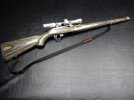
Synthetic stocks that don’t warp when they get wet or rot if they are cycled between wet and dry conditions. Stocks that aren’t as affected by temperature swings as wood. Stocks that don’t absorb water. As much as I love the look and feel of wooden furniture on rifles and shotguns, it’s nice to have an option that doesn’t make you wince when you take it out in the rain & snow.
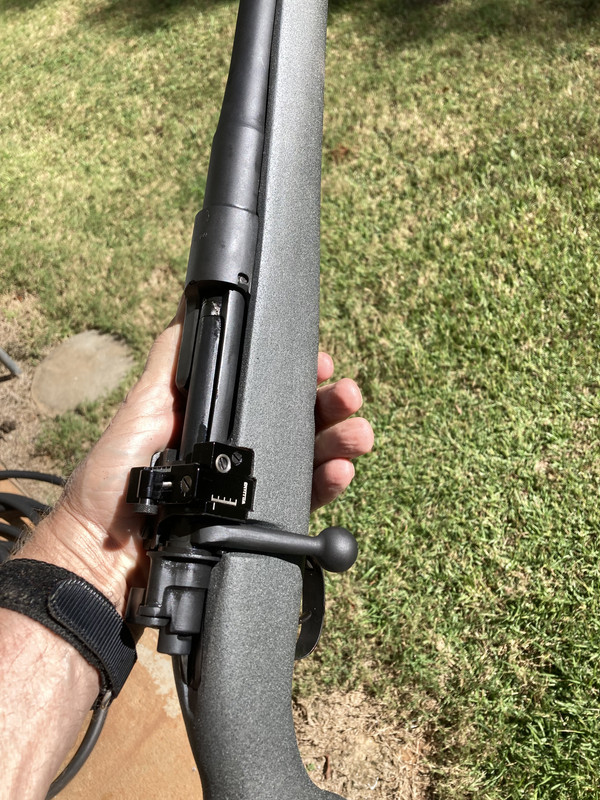
And then there’s the metal parts. Stainless steel is probably the pinnacle when it comes to weather proof (or at least very weather resistant) firearm materials. S&W was one of the early adopters of stainless steel with the Model 60 J-frame revolver, but the material eventually made its way into the construction of long guns. And with bead blasted or brushed finishes, it doesn’t need to be reflective. It can be blackened or even coated with other materials, but it certainly holds up in bad weather better than carbon steel.
Then we have the high-tech finishes that are now available and there’s no shortage of fantastic opinions here. Hard chrome (sometime called industrial chrome) is one of the older but very tough finishes. Electroless nickel is another option or if we add Teflon to electroless nickel we can get something like NP3.
There are the various aftermarket coatings such as Cerakote, DuraCoat, Birdsong Black T, or the spray on/bake on finishes like Brownell’s GunKote. We have factory finishes such as Beretta’s Brunitron or Glock’s “Diamond Like Carbon” nDLC, just to name a few.
And of course, we can even skip steel all together and go with other metals on some firearm parts that don’t need to be steel. Metals like aluminum alloys and titanium, that will not rust. Or sometimes we can use plastic where appropriate to save weight and reduce opportunities for rust.
And the list goes on.
I don’t abuse my firearms, and I am highly dedicated to maintaining my firearms, but sometimes it’s nice to not have that little worry in the back of your mind. Is there rust forming under that stock? Will humidity and water get into that fire control group, bolt body, magazine? How long before I will be able to clean and dry this wet gun?
As much as I admire the look and feel of wood and blued steel, sometimes it’s nice to have other options.
What say you? Do you have an all-weather gun or two? A gun finish that has proven durable under bad conditions?


 I wish S&W would Cerakote their Model 642's.................I hardly have any finish left on mine from 10 years of daily 27/4 carry.